History & Mission
About the Schantz Brothers
The Schantz Brothers, Mike, Tom and Tim grew up in the Eastern Iowa town of Dubuque on the Mississippi River. With identical twins, Tim and Tom, only 15 months younger than older brother Mike, parents Dean and Kit Schantz had their hands full from the start.
Family vacations for the young family generally consisted of long camping road trips in the trusty family station wagon to far flung parts of the U.S. Trips to Florida and the American West were highlights. In Florida, the very non-Midwest ecosystem of the Florida Everglades left a strong impression on the ever-curious young boys. The western road trip introduced the boys to the Rocky Mountains and spurred a lifelong love of mountains and wild places.
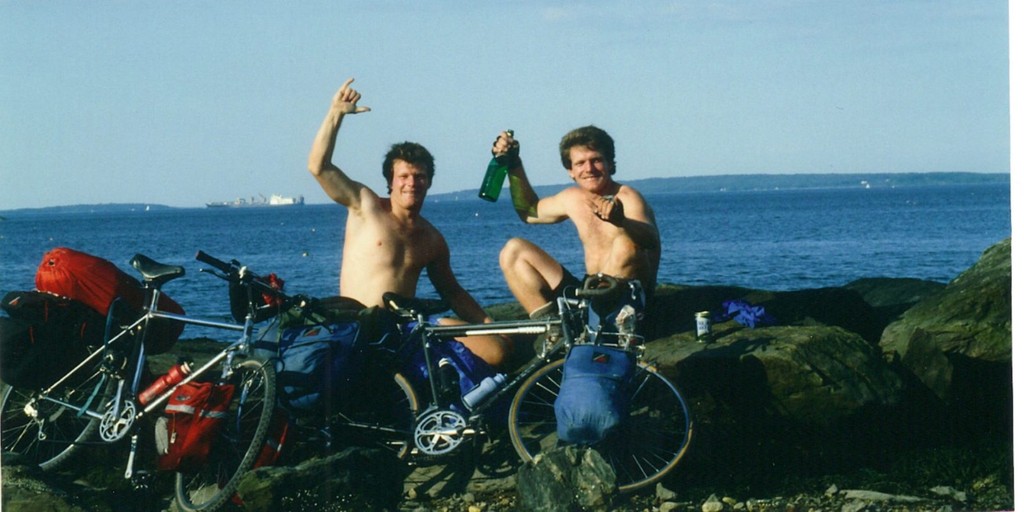
As the boys reached their teen years, their love of the outdoors and wild places manifested itself in two primary ways – birds and bicycling. Mike rode his first RAGBRAI at the age of 15 with a friend after being dropped off on the west side of Iowa by their fathers. Tim and Tom also became avid cyclists highlighted by a transcontinental ride in the summer of 1986.
The other constant theme for the boys was birds. Both Tim and Tom worked a summer at an Audubon camp that they made a point to visit while passing through Wisconsin on their transcontinental ride. It was at this camp both twins were mentored by life-long birders, including an elderly Henry Kyllingstad, who shared tales of arctic birding adventures. Kyllingstad is renowned in field ornithology circles for being a part of the Cornell University party to first identify the breeding grounds of the Bristle-thighed curlew in Alaska. While this was almost certainly known to the indigenous population, it was big news in 1948 western birding circles.
Both Tim and Tom attended and graduated from Simpson college in Indianola, Iowa. Tom was a business major, all conference Fullback and captain of the football team, while Tim poured himself into his studies in environmental sciences. It was during his college years that Tim became totally infatuated, and some would say consumed by, birdlife and the challenge of identifying birds in the wild.
Upon graduation Tim pursued jobs that allowed him to continue his birding passion. Two of the more notable jobs were as a shuttle driver at Santa Ana NWR in Texas and as the Naturalist of Marion County, Iowa based at Red Rocks State Park in Knoxville, Iowa. Tim quickly gained a reputation for finding and identifying rare bird records. In Iowa he identified a first state record Ivory Gull at Red Rocks as well as a first state record Yellow Grosbeak and the first US record outside of Arizona. While working as a tram driver at Santa Ana NWR he identified a Crane Hawk believed to be a first US record.
While brother Tim was developing a reputation as one of the country’s top up-and-coming young field birders, brothers Tom and Mike took a trip to Alaska to explore the vast wilderness they both had heard so much about. It was on that trip that Tom decided to move to Alaska and explore all it had to offer. Within two weeks of returning to Iowa from that first Alaska trip Tom had sold all but his most treasured belongings drove to Prince Rupert and got onto the ferry bound for Juneau.
Tom settled into Juneau where he met his future wife, Donna. Tom and Donna had a vision of homesteading in Alaska and made it happen when they won a 20-acre parcel in Prince William Sound. The building of a timber-framed cabin on this remote parcel proved to be a catalyst to deepen all of the Schantz Brothers connection with Alaska. So much so that Tim moved to Alaska to continue his pursuit of bird species he had yet to add to his life list. Mike continued to travel to Alaska frequently to help with homestead construction and explore more of the state. Through a combination of ingenuity and shear Schantz brother stubbornness – the homestead cabin was completed and the parcel has proven to be one of the last proven up homestead parcels in Alaska.
While Tom was focused on building a life in Alaska, to include overseeing the construction of the homestead cabin and a home in Valdez for his expanding family, Tim was also taking advantage of all the Great Land has to offer. Brother Tim took a series of adventurous iconic Alaska jobs including serving as a Biologist for the state on Bering Sea fishing vessels, as a RURALCap Technician working in remote Arctic villages and as a Fish and Wildlife Technician in Misty Fjords NP. Eventually Tim found his dream job serving as a guide for Wilderness Birding Adventures, a birding tour group focused on remote Alaska birding trips.
With his exceptional skill and passion, Tim quickly gained a reputation as a guide specializing in Alaskan rarities. He relished birding the remote and rough regions of Alaska driven by the opportunity to record unusual Eurasian birds along the way. The last full year of his life he established a new Alaska Big Year record of 275 species having travelled to most of the Alaskan birding hotpots to include St. Paul Island, St. Lawrence Island, ANWR and Attu. Tragically, Tim died of a heart attack in the spring of 2001 while on his way to the village of Gambell to again enthusiastically share birds with clients of Wilderness Birding Adventures.
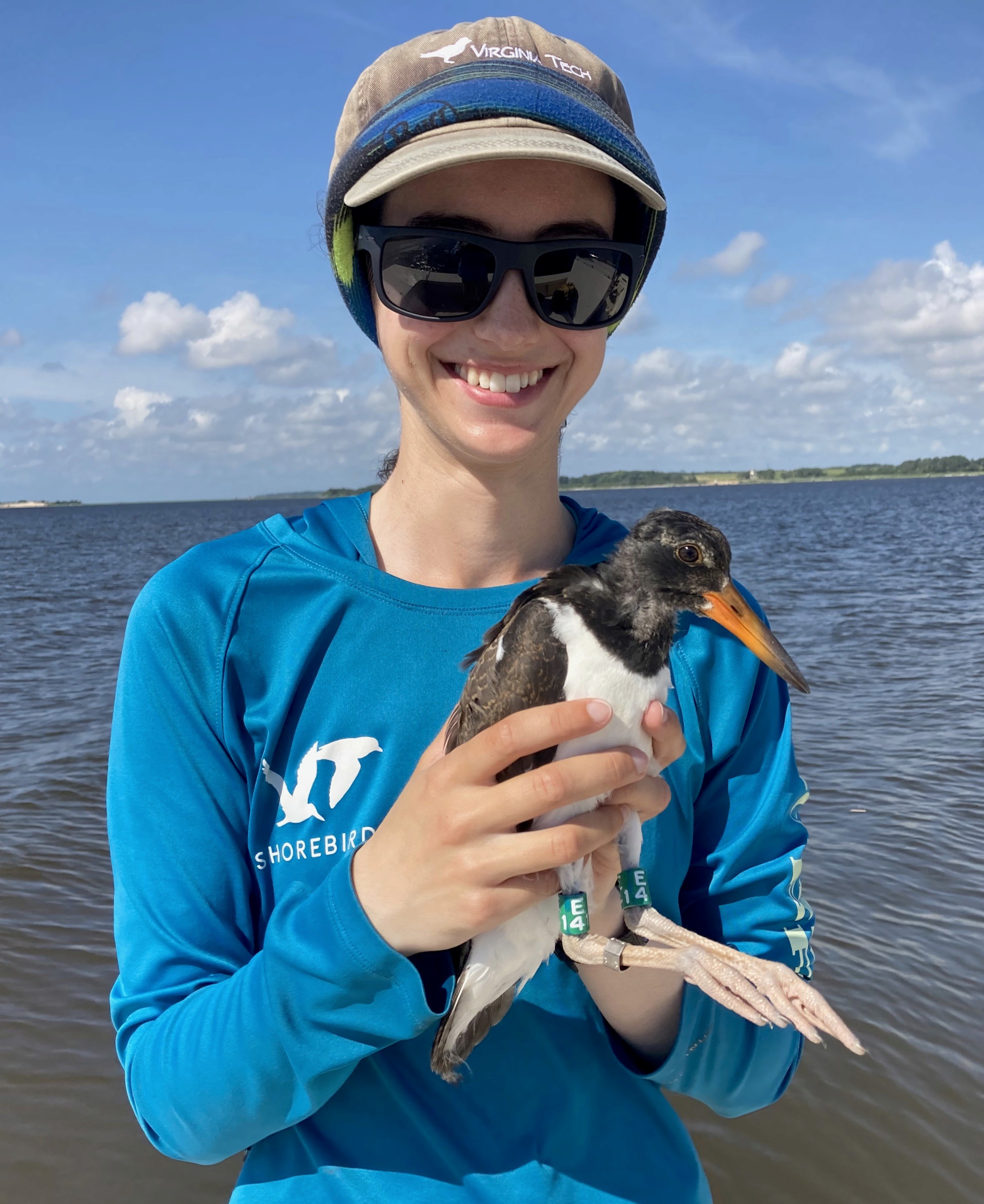
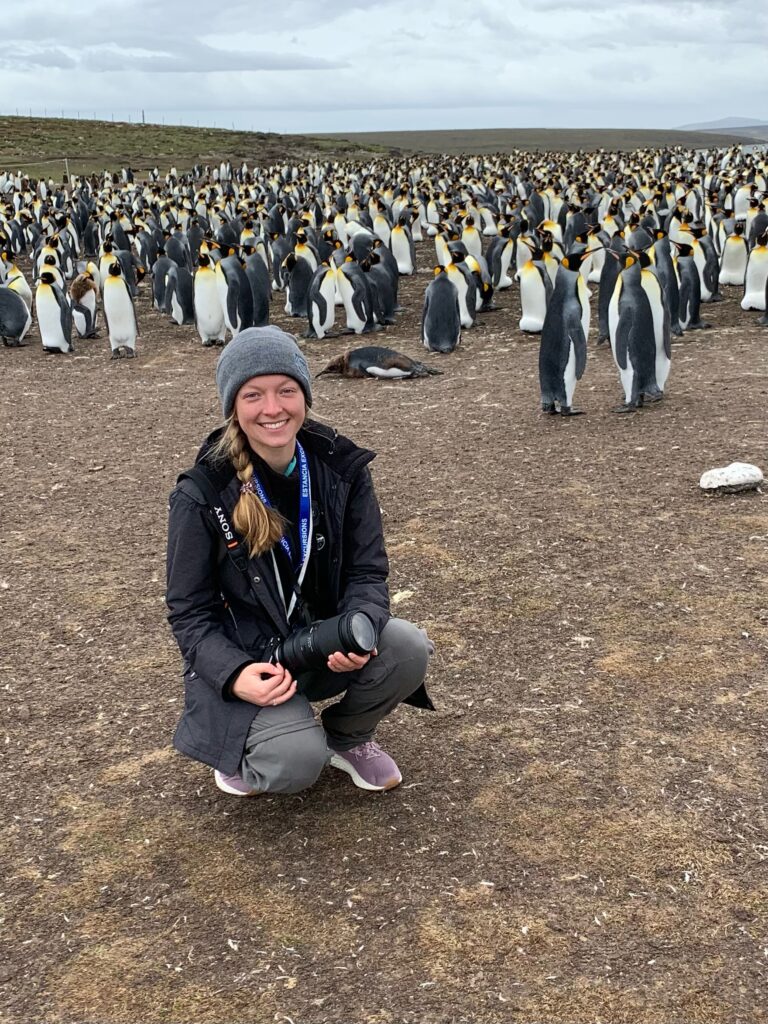
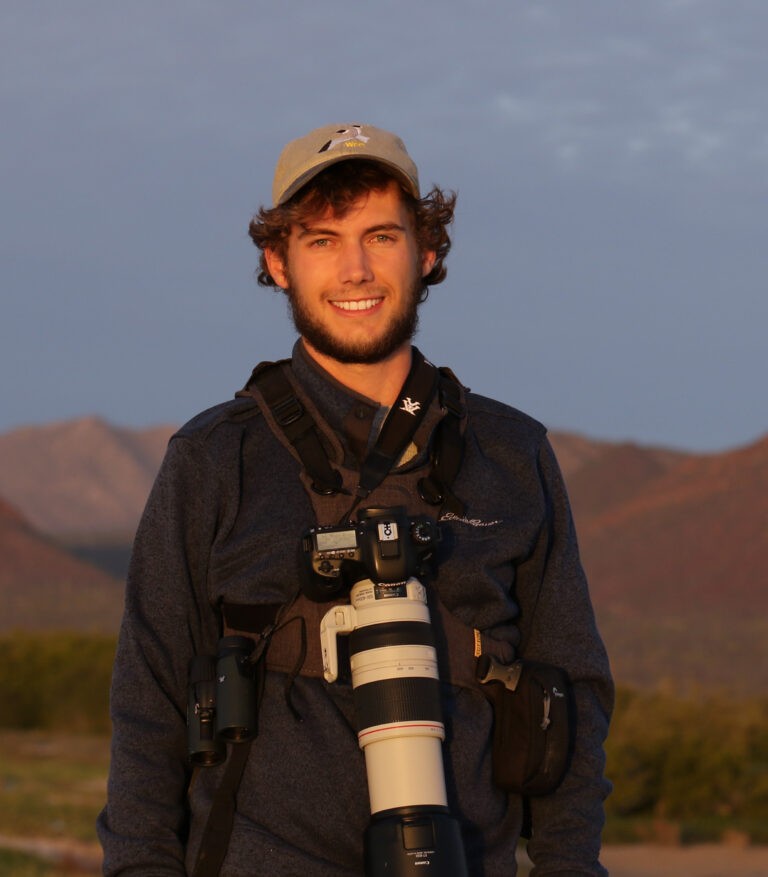
While Tim’s death at the all-too-young age of 36 was a devastating loss for his family and friends, the outpouring of sympathy from the birding community all over the country and world was overwhelming. Many shared wonderful stories of Tim’s passion and infectious excitement that he shared while in the field. These stories served as inspiration to establish a foundation to keep a bit of that passionate alive. Accordingly, the Schantz Brothers Foundation was established in 2001 with the express purpose of encouraging the passionate study of birds and birdlife. Tim loved Homer and the Kachemak Bay Shorebird Festival, where he served as a volunteer guide, so the Foundations elected to send a young birder to this festival to experience the birds of Alaska in this amazing setting.
The Foundation began to send young birders to Alaska in 2002, with brothers Tom and Mike serving as the primary local tour guide and travel agent respectively for the young birders. This served as a way for Tom and Mike to celebrate Tim’s legacy and share it with other young birders. Given that Tim and Tom were identical twins, Tom carried the same genetic predisposition for coronary artery disease (CAD). While Tom was able to manage his CAD for 13 additional years, unfortunately in 2016, Tom also passed away after suffering a heart attack while skiing with his family at Alyeska.
After this second devastating loss, the family had to take a breath but ultimately elected to resume the activities of the Foundation to honor both of these men’s passion for birds and Alaska. 2026 marks 25 years since the Foundation started sending young people to Alaska and the Foundation intends to continue this core activity and in fact explore other ways to encourage the passionate study of birds and birdlife.
Over 20 Years of Recipients